
Environmental DNA - Davis Lab
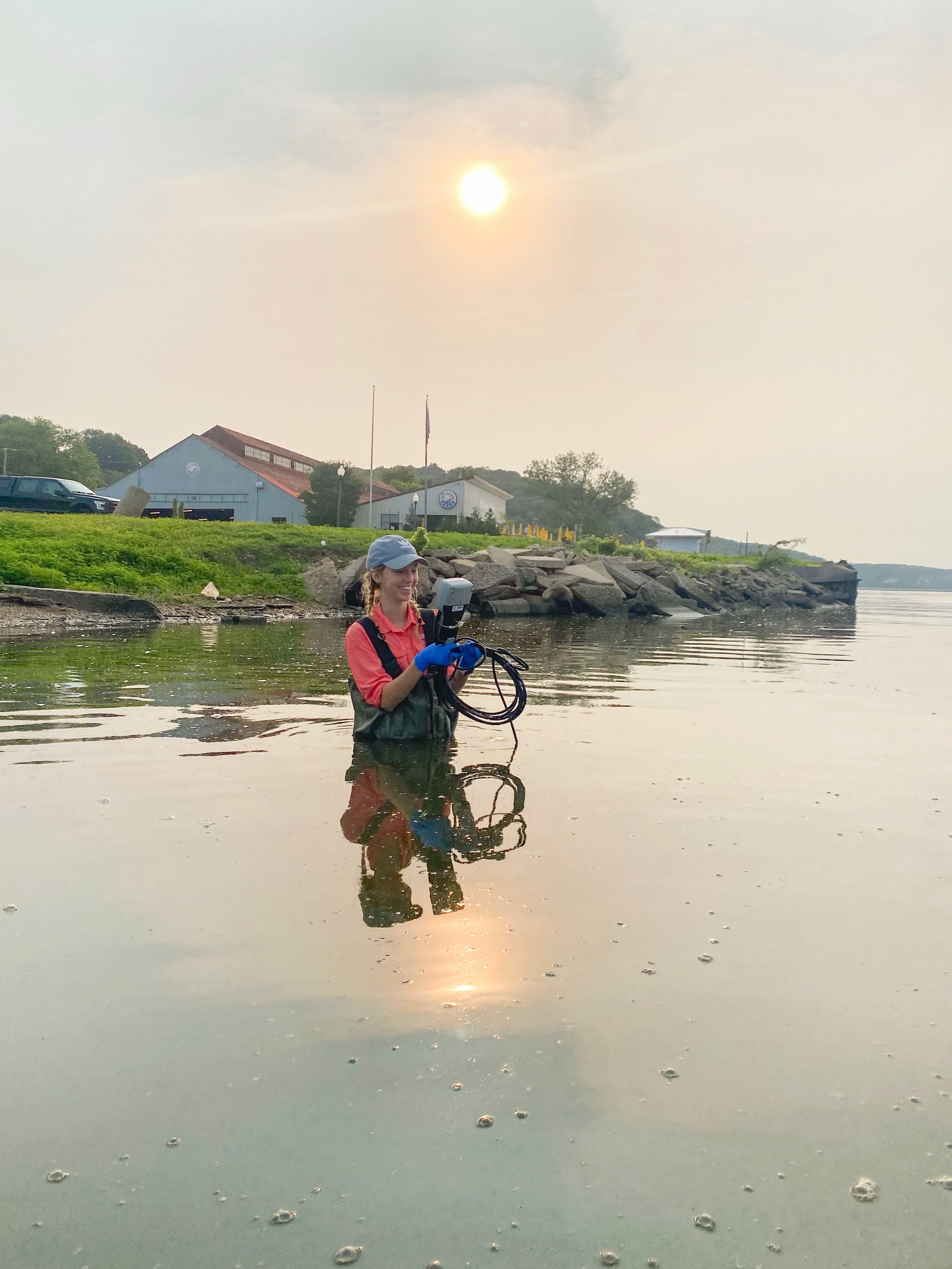
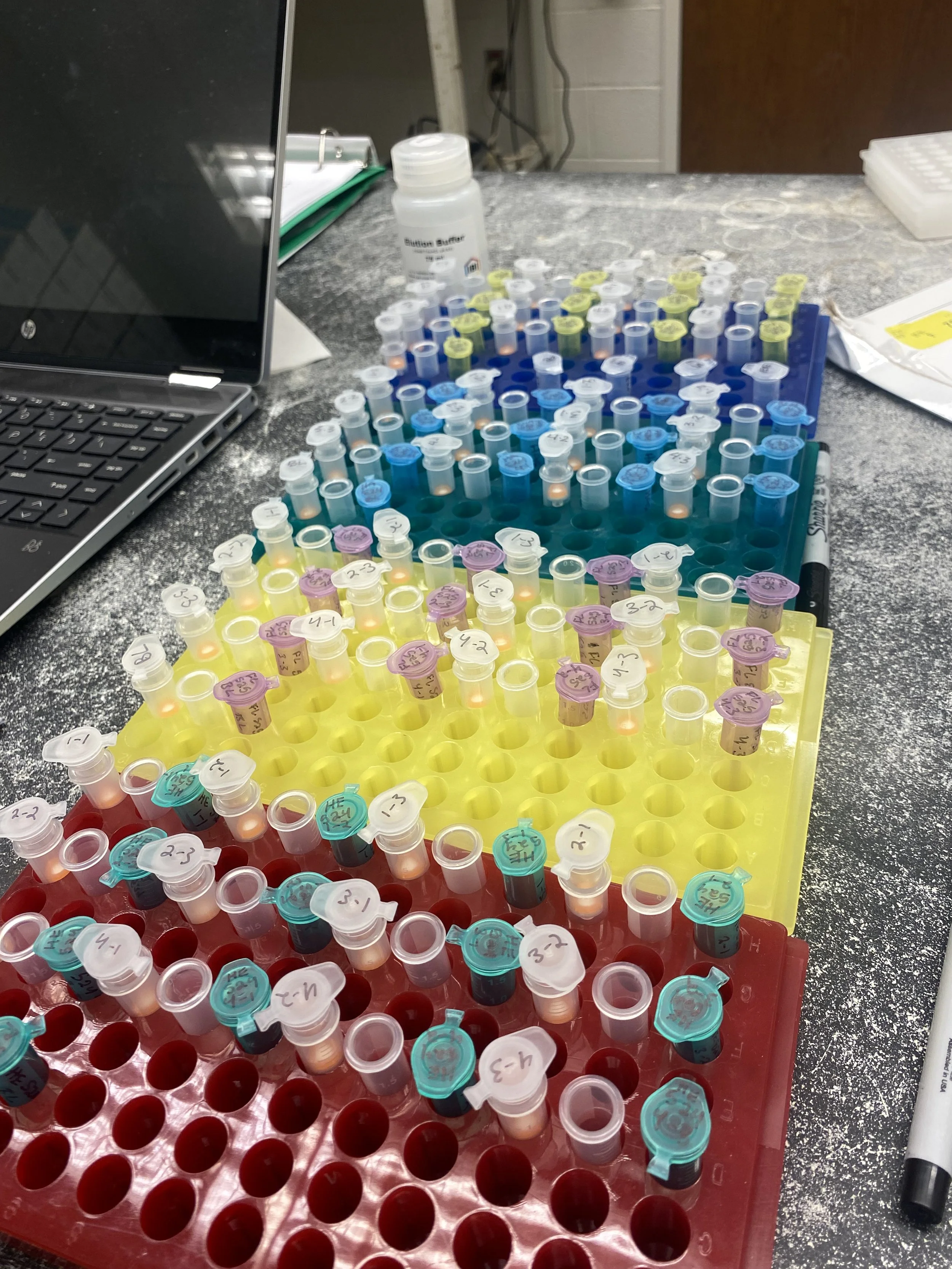
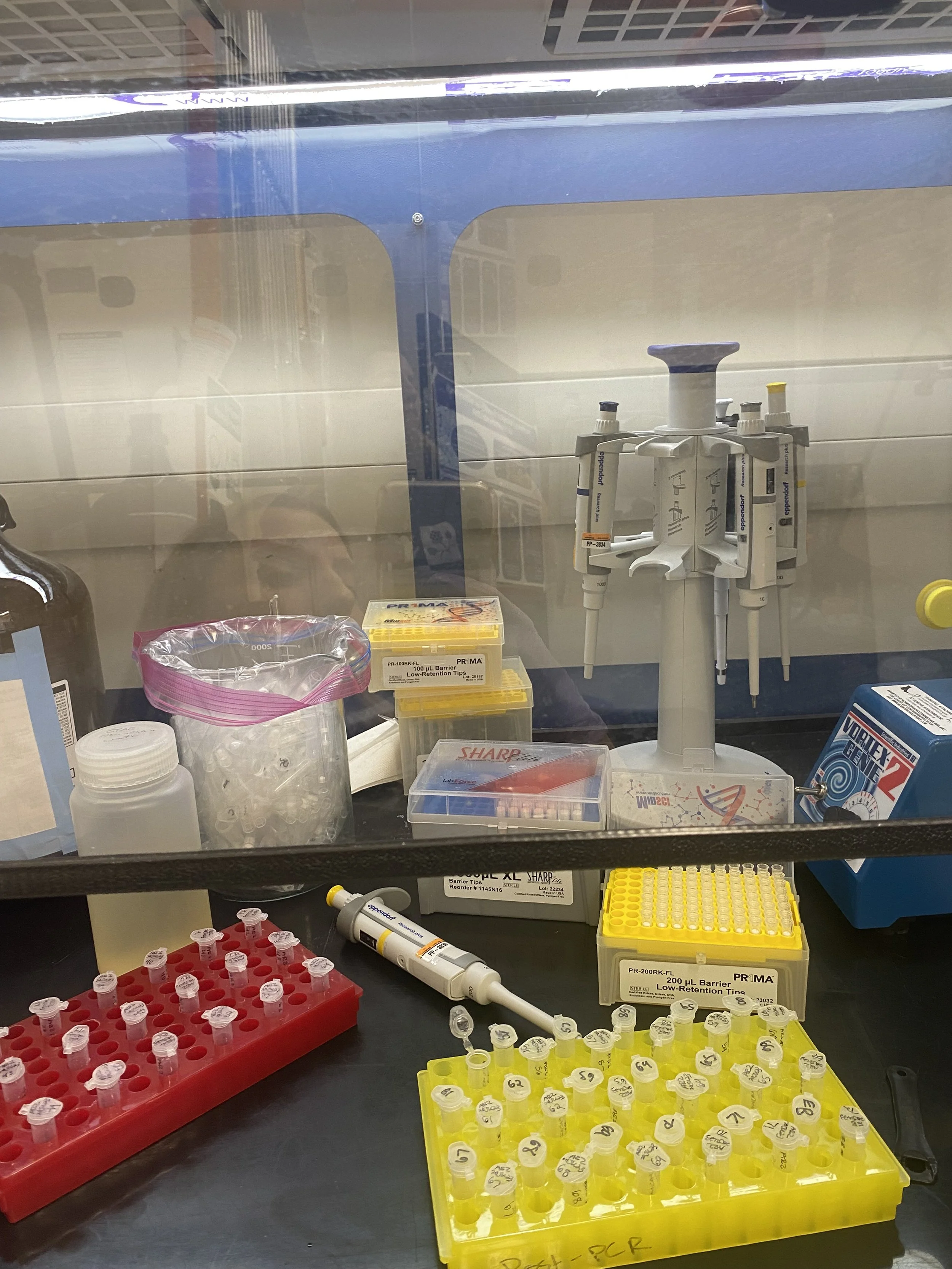
Although I’m not a lab scientist at heart, I decided to interview for to be an eDNA technician with Dr. Mark Davis at the University of Illinois. To this day, it has been one of the best moves I’ve made for my research career. I spent the whole summer learning eDNA techniques such as conducting water chemistry, running chloroform-isoamyl eDNA extractions, and performing qPCRs. Mainly, I was helping collecting water samples for eDNA analysis surrounding the presence of mollusk in Illinois River systems (see published studies here). But, I was also able to help Nicholas Iacaruso, a PhD student with Dr. Davis, conduct a literature review on using eDNA versus conventional methodology for monitoring biodiversity. Furthermore, I also conducted a side project with Dr. Davis and helped write a short communication regarding wood turtle copulation behaviour.
I really enjoyed my time in the Davis lab as I was able to start from square one. I came in not knowing anything about eDNA, and was able to develop my learning and critical thinking skills as I learned molecular techniques for analyzing abundance and richness. I walked away from my summer there with two publications, new friends and a wonderful mentor.
The eDNA literature review that was published has the potential to deliver clarity to researchers regarding when, how, and for what metrics eDNA methods can be used for. As eDNA is becoming an extremely popular tool for monitoring biodiversity, studies have been using it more and more over conventional methods. Some studies have done comparisons between the two, with some claiming that eDNA is the better methods, while some found the opposite. At the time of publication, there was no literature review surrounding the differences in eDNA and conventional methods throughout all of the literature.
We screen over 2100 publications that compared eDNA and conventional methods and landed on using 398 that met all the criteria. The results were necessary - we found that there was heavy emphasis on aquatic studies, with very little studies focusing on terrestial individuals (and even if they did, they still used water for their sampling). Additionally, we found that many studies relyed on species richness to describe biodiversity when using eDNA, which truly limits the level of information one can fully pull out from a system. That being said, species richness (and detection probability) yielded better results when being measured with eDNA methods vs conventional methods. And, eDNA requires less samples, less person-hours, and lower cost when compared to conventional sampling. Overall, we provide a large overview of the current research surrounding eDNA vs conventional methods, proposing that more research needs to be done in the Global South regarding eDNA (especially as an area of high biodiversity!).
University of Illinois - Illinois Natural History Survey
Summer 2023
Mentor: Dr. Mark Davis